Colored Cardboard Textures: A Digital Resource for Creative Projects
Colored Cardboard Textures offer a unique blend of visual appeal and practicality, especially when used in digital design. These textures are not just decorative elements but also serve functional purposes in various creative fields. As digital files, they provide flexibility and accessibility that traditional printed materials cannot match.
Understanding Colored Cardboard Textures
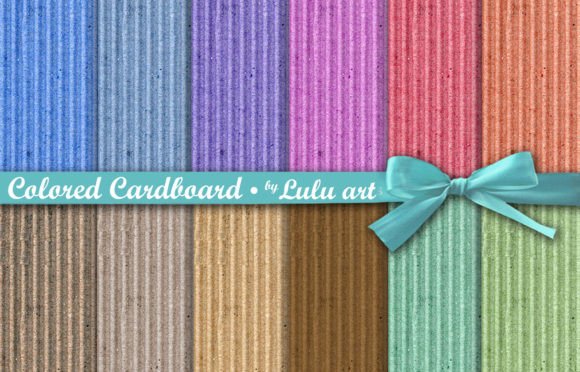
Colored Cardboard Textures are digital representations of the surface patterns found on cardboard. They come in a variety of colors and finishes, making them suitable for different design needs. Each texture is crafted to mimic the natural grain and color variations of real cardboard, offering designers a realistic look without the need for physical materials.
Key Features of Colored Cardboard Textures
- High Quality: The textures are provided in JPEG format at 300 dpi, ensuring sharpness and clarity for both screen and print use.
- Size and Format: Each texture measures 12 x 12 inches and is part of a set containing 12 digital paper sheets. This size makes them ideal for a wide range of design applications.
- Compressed ZIP File: The entire collection is compressed into a single ZIP file, which users must know how to extract before accessing the individual files.
Applications of Colored Cardboard Textures
The versatility of Colored Cardboard Textures makes them useful across multiple industries and personal projects. From graphic design to product packaging, these textures can enhance the visual impact of any project.
Design and Graphic Arts
Graphic designers often use Colored Cardboard Textures to add depth and realism to their work. Whether creating mockups for packaging or designing backgrounds for websites, these textures can help achieve a tactile feel that complements the overall design aesthetic.
Product Packaging
For businesses involved in product packaging, Colored Cardboard Textures can be invaluable. They allow for the simulation of actual cardboard surfaces, helping designers visualize how products will look once packaged. This is particularly useful during the prototyping phase, where quick changes and iterations are necessary.
Personal Projects and Hobbies
Artists and hobbyists can also benefit from using Colored Cardboard Textures. These textures can be incorporated into scrapbooking, collage art, or even DIY home decor projects. Their availability as digital files means they can be easily accessed and manipulated using common design software.
Who Can Benefit from Colored Cardboard Textures?
Colored Cardboard Textures are suitable for a wide range of individuals and organizations. Anyone involved in creative work that requires realistic textures will find these files beneficial.
- Professionals: Graphic designers, web developers, and product packaging specialists can use these textures to enhance their projects.
- Business Owners: Those looking to create visually appealing marketing materials or product designs can leverage these textures for better results.
- Creative Individuals: Artists, crafters, and DIY enthusiasts can incorporate these textures into their personal projects for added detail and authenticity.
Strengths and Considerations
While Colored Cardboard Textures offer numerous benefits, it's important to consider their limitations and ensure they meet your specific needs.
Strengths
The high-resolution quality of these textures ensures that they can be used for both digital and print purposes without losing clarity. Their availability in a ZIP file format makes them easy to store and share, while the variety of colors allows for greater creative freedom.
Considerations
One consideration is that these textures are digital files and require proper software to open and edit. Users should have basic knowledge of image editing tools to make the most of these resources. Additionally, while the textures are highly detailed, they may not be suitable for all types of design projects, depending on the desired outcome.
Real-World Scenarios and Applications
To better understand how Colored Cardboard Textures can be applied in practice, let's explore some real-world examples.
Mockup Design for E-commerce
An online store selling handmade goods might use Colored Cardboard Textures to create realistic product mockups. By applying these textures to digital images, the store can showcase how its products would look in real-life packaging, enhancing customer trust and engagement.
Interior Design Presentations
Interior designers can utilize these textures when presenting ideas for clients. By incorporating Colored Cardboard Textures into digital renderings, they can give clients a more tangible sense of what the final space will look like, especially if the design includes elements like custom furniture or wall panels.
Education and Teaching Materials
Educators can also benefit from using Colored Cardboard Textures in teaching materials. For instance, when teaching students about texture and material properties, these digital files can be used to demonstrate the appearance and feel of cardboard without the need for physical samples.
Evaluating Suitability for Different Needs
Before deciding to use Colored Cardboard Textures, it's important to evaluate whether they align with your specific project requirements.
First, consider the intended use of the textures. Are you looking for something that mimics real cardboard for a design project, or do you need a more abstract representation? Understanding this will help determine if these textures are the right choice.
Second, think about the technical requirements. Since these are digital files, ensure that you have the appropriate software and skills to work with them effectively. If you're not familiar with image editing tools, you may need to invest time in learning how to use them properly.
Finally, assess the level of detail required for your project. While the high-resolution format is ideal for printing, it may not be necessary for smaller digital displays. Adjusting the resolution accordingly can help optimize performance and visual quality.
Conclusion
Colored Cardboard Textures provide a versatile and high-quality resource for anyone involved in creative work. Whether you're a professional designer, a business owner, or a hobbyist, these digital files can enhance your projects with realistic textures that add depth and authenticity. By understanding their features, applications, and limitations, you can make informed decisions about how best to use them in your work.
As you explore the possibilities of Colored Cardboard Textures, remember that their value lies in their ability to bring your ideas to life with a touch of realism and creativity. With the right approach, they can become an essential tool in your design toolkit.